
If you need official Croatian documents while living in Australia or New Zealand, it can feel confusing at first. Between different systems, legal requirements, and unfamiliar Croatian terms, it’s easy to get stuck before even starting.
Whether you’re applying for Croatian citizenship (državljanstvo), sorting out family records, or handling legal matters from overseas, knowing exactly where to begin can save you weeks, sometimes months, of back and forth.
Croatia allows individuals living overseas to request civil documents such as birth certificates (rodni list), marriage certificates (vjenčani list), and proof of citizenship (domovnica). These records are stored within the official civil registry system (matične knjige) and can be accessed through several verified channels.
In this guide, you’ll learn the most reliable ways to order Croatian documents from Australia and New Zealand, what requirements to expect, and how to avoid the common mistakes that slow people down.
What Croatian Documents Can You Request?
The most commonly requested Croatian documents include:
- Birth Certificate (rodni list)
- Marriage Certificate (vjenčani list)
- Death Certificate (smrtni list)
- Certificate of Citizenship (domovnica)
- Extracts from civil registries (izvadak iz matice rođenih / vjenčanih)
All of these documents are issued by official registry offices in Croatia, known as matični uredi, and are part of the country’s central civil records system (matične knjige).
In most cases, you’ll need one or more of these documents for:
- Croatian citizenship applications (državljanstvo)
- Legal or administrative processes
- Property or inheritance matters
- Updating personal records in Croatia or overseas
If you’re unsure which document you need, a good rule of thumb is this:
For citizenship or identity-related matters, you’ll almost always be asked for a rodni list and a domovnica.
Ways to Order Croatian Documents from Australia and New Zealand
There are several official ways to request Croatian documents while living overseas. The right option depends on your situation, how quickly you need the documents, and whether you already have access to Croatian systems.
1. Through a Croatian Embassy or Consulate
Applying through a Croatian embassy or consulate is the most common and straightforward option for people living in Australia and New Zealand.
Croatia’s diplomatic network in the region is centred around the embassy in Canberra, with consular services also available in cities like Sydney, Melbourne, and Auckland. You can find official locations and contact details through the Croatian Ministry of Foreign and European Affairs.
Through a consulate, you can request documents such as:
- Birth certificates (rodni list)
- Citizenship certificates (domovnica)
- Marriage certificates (vjenčani list)
What you’ll usually need:
- A booked appointment
- Valid identification
- Completed application forms
What to expect:
- Processing times typically range from a few weeks to several months
- Communication is usually handled via email or phone
- Some applications may require in-person attendance
This method is reliable and official, but it’s not always the fastest, especially during busy periods or when older records are involved.
2. Online via the e-Građani System
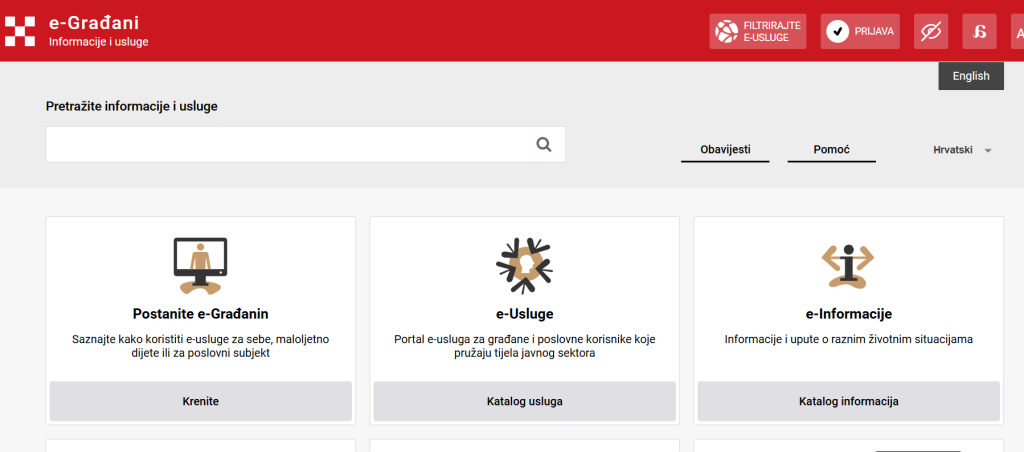
Croatia offers a digital platform called e-Građani (e-Citizens), which allows users to request certain documents online.
Through this system, you can request:
- Birth certificates (rodni list)
- Citizenship certificates (domovnica)
- Marriage records (vjenčani list)
In many cases, documents can be delivered electronically, making this one of the fastest options available.
However, there’s an important limitation:
To use e-Građani, you must already have:
- Croatian digital credentials (such as an e-osobna), or
- Access to an approved authentication method
Best suited for:
- Croatian citizens already registered in the system
- People who have previously interacted with Croatian government services
If you don’t already have access, setting it up from Australia or New Zealand can be quite difficult, and often not worth the effort for a one-time request.
3. Requesting Directly from Croatia
Another option is to contact a registry office (matični ured) directly in Croatia, either in Zagreb or in the municipality (općina / grad) where the record is held.
This can be done:
- By post
- Via email (depending on the office)
- Through an authorised person in Croatia
What you’ll need:
- A completed request
- Proof of identity
- Details of the person whose record you’re requesting
Why people choose this option:
- Often faster than going through a consulate
- More direct communication with registry offices
- Fewer administrative layers
The main challenge is managing the process from overseas, especially if you don’t speak Croatian or don’t have someone local to assist.
4. Using a Lawyer or Document Service
Many people in Australia and New Zealand choose to work with a Croatian-based lawyer (odvjetnik) or a document service.
These professionals can:
- Locate records
- Submit requests on your behalf
- Communicate directly with registry offices
This is particularly helpful if:
- You’re applying for Croatian citizenship (državljanstvo)
- Your records are older or difficult to locate
- You want to avoid delays or back-and-forth with consulates
Advantages:
- Usually the fastest and most efficient option
- Minimal effort on your side
- Helpful guidance for complex cases
The main downside is the additional cost. That said, for many people, the time saved and reduced stress make it well worth it.
Who Can Request Croatian Documents?
Croatian civil records are protected by privacy laws (zakon o zaštiti osobnih podataka), which means not everyone can request just any document.
In most cases, you’ll need to prove either your identity or your relationship to the person named in the record.
You can generally request a Croatian document if you are:
- Requesting your own document
- An immediate family member (parent, child, or spouse)
- An authorised representative with written permission (punomoć)
If You’re Requesting on Behalf of Someone Else
If you’re applying for a document for another person, you’ll usually need:
- A signed authorisation (power of attorney – punomoć)
- A copy of their identification
- Your own identification
Depending on the case, authorities may also ask for additional documents to confirm your relationship, especially for citizenship applications (državljanstvo) or older records.
Important to Know
If the person whose record you’re requesting is still alive, privacy rules are stricter.
In these cases, explicit written consent is often required, even if you’re a family member.
A Quick Tip
If you’re unsure whether you’re eligible to request a document, it’s always safer to:
- Include proof of your relationship upfront, or
- Add a signed punomoć to avoid delays
A missing authorisation is one of the most common reasons requests get held up or rejected.
Requirements for Applicants in Australia and New Zealand
If you’re applying from Australia or New Zealand, there are a few key requirements you need to get right from the start.
This is where most delays happen, not because the system is complicated, but because small details are missed.
1. Apostille Certification (Apostille potvrda)
Croatia is part of the Hague Apostille Convention, which means foreign documents must be officially authenticated before they can be accepted.
In practical terms:
- Australian and New Zealand documents must include an apostille
- The apostille confirms the document is genuine and legally valid
You can obtain an apostille through:
- The Department of Foreign Affairs and Trade (Australia)
- The Department of Internal Affairs (New Zealand)
Without this step, Croatian authorities will not process your documents.
2. Certified Translations into Croatian (ovjereni prijevod)
All foreign documents must be translated into Croatian by a certified translator (sudski tumač). If you’re applying from Australia, working with a NAATI-certified Croatian translator is essential to ensure your documents are accepted without delays..
This applies to:
- Birth certificates (rodni list)
- Marriage certificates (vjenčani list)
- Police checks
- Any supporting legal documents
The translation must be:
- Completed by a certified (sworn) translator
- Properly stamped and signed
Unofficial or incorrect translations are one of the most common reasons applications get delayed or rejected.
3. Original Documents (Not Copies)
Croatian authorities typically require:
- Original documents, or
- Official certified copies
Simple photocopies are generally not accepted unless they are properly certified.
4. Consistent Personal Details
All your documents must match exactly.
Double-check:
- Name spelling
- Dates of birth
- Places of birth
Even small inconsistencies, like a missing middle name or a slightly different spelling, can lead to delays or requests for additional clarification.
Why This Matters
Getting these steps right early can save you weeks, sometimes even months.
In most cases, delays don’t come from Croatian authorities, they come from incomplete, mismatched, or incorrectly prepared documents.
Taking the time to prepare everything properly upfront makes the entire process much smoother.
What If You’re Not Registered in Croatia Yet?
If you or your parents were born outside Croatia, there’s a strong chance your details are not yet recorded in the Croatian civil registry system (matične knjige).
In that case, you won’t be able to request official Croatian documents until your information is properly registered.
This situation is very common, especially for:
- People applying for Croatian citizenship by descent (državljanstvo po podrijetlu)
- Children of Croatian citizens born overseas
- Individuals who have never previously dealt with Croatian authorities
What Registration Involves
To be entered into the Croatian system, you’ll need to apply for registration in the birth registry (Matica rođenih).
This usually includes submitting:
- Your birth certificate (rodni list)
- Your parent’s Croatian documents (if applicable)
- Proof of citizenship (domovnica) for your parent(s)
- Identification documents
If your parents are married, you may also need to register their marriage in Croatia (upis u maticu vjenčanih).
Where You Can Register
You can complete this process in a few ways:
- Through a Croatian embassy or consulate in Australia or New Zealand
- Directly in Croatia (if you’re able to attend in person)
- Via an authorised representative (punomoć)
Why This Step Matters
Until you are officially registered:
- You cannot obtain Croatian certificates such as a rodni list or domovnica
- Citizenship or legal processes may be delayed or blocked
Once your registration is complete, requesting documents becomes much more straightforward through any of the methods we covered earlier.
Processing Time
Registration can take:
- Several weeks when submitted through a consulate
- Longer if documents need to be verified within Croatia
Because of this, it’s often one of the longest steps in the entire process.
Starting early here can make a big difference later.
A Quick Reality Check
Many people lose time trying to request documents before they’re registered.
If you’re not sure whether you’re already in the system, it’s worth confirming this first, it can save you from going in circles.
Processing Times and Costs
Understanding how long things take, and what you’ll likely need to budget for, can make the whole process feel much more manageable.
Processing Times
Processing times vary depending on how you submit your request and how complex your situation is.
Here’s what you can generally expect:
- Through an embassy or consulate:
Around 4 to 12 weeks, sometimes longer during busy periods - Online via e-Građani:
Often just a few days to a couple of weeks - Direct requests in Croatia (via matični ured):
Typically faster, especially when handled locally - Through a lawyer or document service:
Often the fastest option, particularly for older or more complex cases
What Can Slow Things Down
Delays usually come from small issues rather than the system itself.
The most common causes are:
- Missing or incomplete documents
- Inconsistent personal details
- Documents that haven’t been apostilled (Apostille potvrda)
- Incorrect or uncertified translations
- Older records that need to be manually located
Costs to Expect
The cost of obtaining Croatian documents depends on the method you choose and how much support you need.
Typical costs include:
- Government or consular fees
(for issuing certificates and processing requests) - Apostille certification fees (Apostille potvrda)
(in Australia or New Zealand) - Certified translation costs (ovjereni prijevod)
(required for all foreign documents) - Legal or service fees
(if you’re working with a lawyer or document service)
While individual document fees are usually relatively low, the total cost can add up once you include translations and authentication.
Practical Tip
If you’re working toward something time-sensitive, like a citizenship application (državljanstvo), it’s worth planning ahead.
That usually means budgeting for:
- Multiple documents
- Certified translations (sudski tumač)
- Possible follow-up requests
Starting early gives you flexibility and helps avoid last-minute stress or unexpected delays.
Common Mistakes to Avoid
When ordering Croatian documents from Australia or New Zealand, it’s often the small details that cause the biggest delays.
Being aware of these common mistakes early can save you a lot of time, frustration, and unnecessary back-and-forth.
1. Submitting Incorrect or Incomplete Documents
One of the most frequent issues is simply missing something in your application.
This can include:
- Forgetting supporting documents
- Providing outdated certificates
- Not including proof of relationship
Even one missing item can delay your request by several weeks.
2. Not Apostilling Documents
If your Australian or New Zealand documents are not apostilled (Apostille potvrda), Croatian authorities will not accept them.
This is a strict requirement and one that’s often overlooked, especially by first-time applicants.
3. Using Uncertified or Incorrect Translations
All translations must be completed by a certified translator (sudski tumač).
Common mistakes include:
- Using non-certified translators
- Translating documents yourself
- Submitting translations without official stamps or signatures
Incorrect translations are one of the leading causes of delays or rejected applications.
4. Inconsistent Personal Details
All details across your documents must match exactly.
Watch out for:
- Different spellings of names
- Variations in dates or places of birth
- Anglicised versus Croatian versions of names
If there are inconsistencies, you may need additional documentation to explain or correct them.
5. Relying Only on Consulates for Urgent Requests
Consulates are reliable, but they are not always the fastest option.
If you’re working with a deadline, relying only on this route can slow things down. In many cases, contacting a registry office (matični ured) directly or working with someone in Croatia is much quicker.
6. Not Registering in Croatia First
Trying to request documents before being registered in the Croatian system (matične knjige) is a very common mistake.
If you’re not registered:
- Your request may be rejected
- You’ll need to complete registration first
- This adds extra time to your overall process
Most delays don’t come from the system itself, they come from small oversights.
Taking a bit of extra time to check everything properly at the start can make the entire process smoother and much less stressful.
Do You Need Help with Croatian Documents?
If you’re dealing with Croatian documents from Australia or New Zealand, it’s completely normal to feel unsure about the process, especially when it comes to translations, apostilles, and strict formatting requirements.
Even small details can slow things down, and it’s not always obvious what Croatian authorities expect until you’re already in the middle of it.
That’s where working with an experienced service can make things much easier.
At Balkan Translations, we support individuals across Australia and New Zealand with:
- Certified Croatian translations (ovjereni prijevod) accepted by authorities
- Preparation of documents for use in Croatia
- Guidance on apostille requirements (Apostille potvrda)
- Support for citizenship (državljanstvo) and legal applications
Because we work specifically with Croatian documentation, we understand how the system works and what’s required, which helps reduce the risk of delays or rejected applications.
Why Work with a Specialist?
Handling everything yourself is absolutely possible, but it can take time, especially if you’re not familiar with Croatian administrative systems like matične knjige or matični uredi.
Working with a professional means:
- Your documents are prepared correctly from the start
- You avoid common mistakes that lead to delays
- You save time navigating unfamiliar requirements
This can be particularly valuable if you’re applying for citizenship or working with a deadline.
A Balanced Perspective
Some people prefer to handle everything themselves, and that can work well if your case is straightforward.
But if your situation is more complex, or you simply want to avoid the back-and-forth, having someone guide you through the process can make a noticeable difference.
With All Things Considered
Ordering official Croatian documents from Australia and New Zealand is absolutely doable, but it does require attention to detail.
The key is understanding the process before you start.
In most cases, that comes down to:
- Choosing the right method (consulate, e-Građani, or direct request)
- Making sure your documents are properly apostilled and translated
- Confirming that you’re registered in the Croatian system
Once these pieces are in place, the process becomes much more straightforward.
If you take the time to prepare everything properly from the beginning, you’ll avoid most of the common delays people run into.
Frequently Asked Questions
What is the fastest way to get Croatian documents?
The fastest options are usually:
Requesting directly through a matični ured, or
Using a lawyer or document service in Croatia
Online requests via e-Građani can also be fast, but only if you already have access.
What if I’m not registered in Croatia yet?
If you’re not registered in the Croatian system (matične knjige), you won’t be able to request official documents.
You’ll first need to complete registration in the Matica rođenih (birth registry), which is common for citizenship-by-descent cases.
Can someone in Croatia request documents for me?
Yes. You can authorise someone in Croatia, such as a lawyer (odvjetnik) or family member, to request documents on your behalf.
They will usually need:
A signed authorisation (punomoć)
A copy of your ID
Relevant details about the requested documents
This is often one of the fastest ways to obtain documents
Do Australian documents need an apostille for Croatia?
Yes. Croatia requires foreign documents to be authenticated with an apostille under the Hague Convention.
This means your Australian or New Zealand documents must include an Apostille potvrda before they can be accepted.
What is a domovnica and why do I need it?
A domovnica is an official Croatian certificate that proves your citizenship (državljanstvo).
It’s required for:
Applying for a Croatian passport
Citizenship applications
Legal and administrative processes in Croatia
Without it, you won’t be able to access most Croatian government services.
Do I need to translate documents into Croatian?
Yes. All foreign documents must be translated into Croatian by a certified translator (sudski tumač).
Translations must be officially stamped and signed. Uncertified translations are one of the most common reasons for delays.
How long does it take to get Croatian documents from overseas?
It depends on how you apply:
Through a consulate: usually 4 to 12 weeks
Online via e-Građani: a few days to a couple of weeks
Directly from Croatia: often faster, especially with local support
Delays are usually caused by missing documents, lack of apostille (Apostille potvrda), or incorrect translations.
Can I order Croatian documents online from Australia?
Yes, in some cases. If you already have access to the e-Građani system, you can request documents like a rodni list (birth certificate) or domovnica (citizenship certificate) online.
However, most people living in Australia or New Zealand don’t have the required digital credentials, so they usually apply through a consulate or directly via a matični ured.

